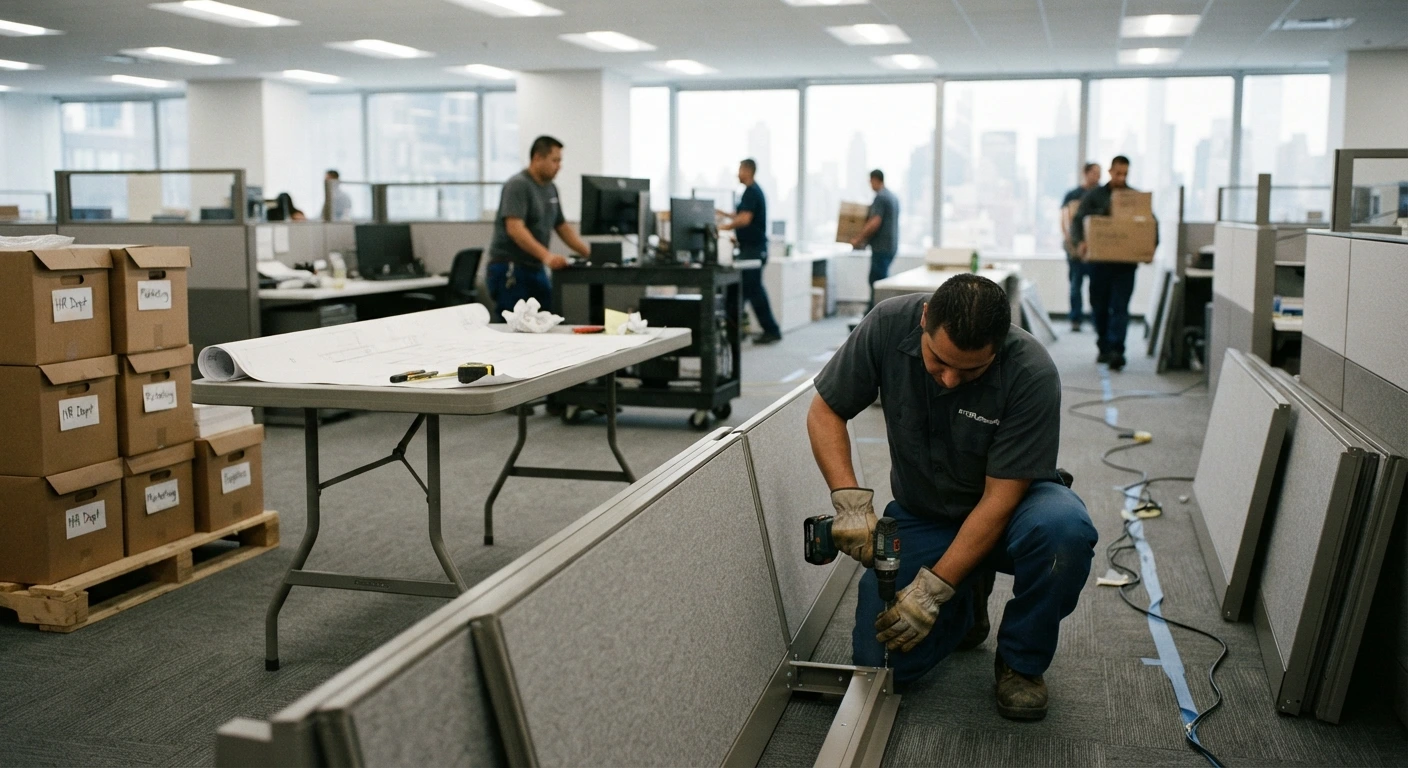
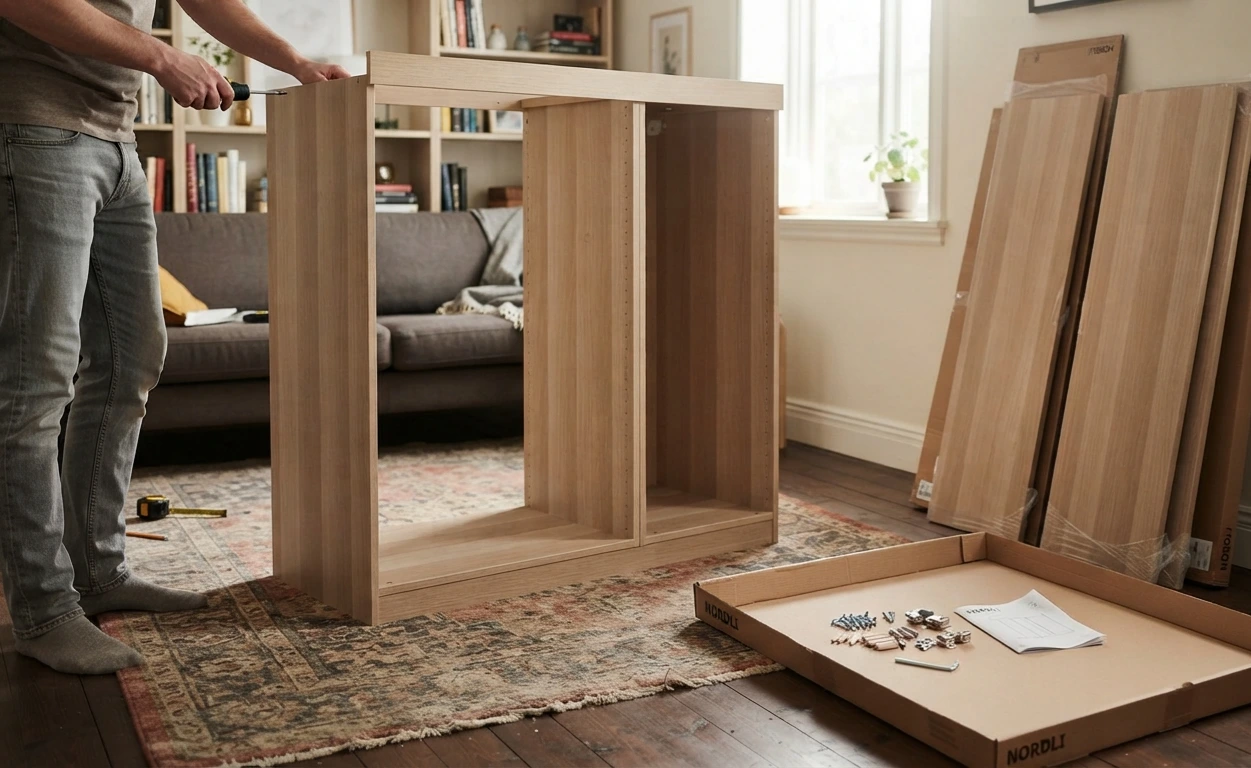
A gazebo can transform your outdoor space into a comfortable area for relaxation, gatherings, and entertainment. However, improper installation can create safety issues, reduce durability, and cost you more money in repairs. Many homeowners underestimate the planning and precision required to install a gazebo correctly. From choosing the wrong location to ignoring structural requirements, small mistakes can affect the entire setup. Understanding the common mistakes to avoid during gazebo installation helps you build a stable, attractive, and long-lasting outdoor structure that adds value and functionality to your property.
Why Proper Gazebo Installation Matters
A gazebo does more than provide shade and improve the appearance of your backyard. It creates a dedicated outdoor living space where families can relax, host guests, and enjoy fresh air. However, the quality of your gazebo depends heavily on the installation process.
Many homeowners focus only on the design, size, and style of the gazebo but overlook important installation details. A beautiful gazebo can quickly become a problem if it sits on unstable ground, lacks proper anchoring, or uses incorrect assembly methods.
A properly installed gazebo improves safety, withstands changing weather conditions, and provides years of reliable use. On the other hand, installation mistakes can lead to leaning structures, water damage, loose connections, and expensive repairs.
Understanding these common mistakes before installation allows you to avoid unnecessary problems and achieve better results. For a broader look at gazebos in general, see our guide on what is a gazebo.
Mistake 1: Choosing the Wrong Location for Your Gazebo
One of the biggest mistakes homeowners make during gazebo installation involves selecting the wrong location. Many people choose a spot based only on appearance without considering practical factors.
The location affects stability, accessibility, maintenance, and long-term performance. Installing a gazebo on uneven ground can create alignment problems and place extra stress on the frame. A location with poor drainage can also cause water accumulation around the base, leading to moisture damage and foundation issues.
Before installation, evaluate the area carefully. Consider sunlight exposure, wind direction, nearby trees, underground utilities, and the overall layout of your outdoor space.
A gazebo should sit in a location that provides comfort while maintaining structural stability. Planning the placement properly prevents many future problems.
Also read: Furniture Assembly in NYC: DIY vs Professional Help
Mistake 2: Ignoring Ground Preparation
Many gazebo installation problems begin before the first piece of the structure gets assembled. Poor ground preparation can compromise the entire project.
A gazebo requires a stable and level surface. Installing it directly on soft soil, grass, or uneven terrain can cause shifting over time. Changes in soil conditions, rainfall, and temperature can affect the foundation and create instability.
Proper preparation may include leveling the ground, creating a solid base, or installing the gazebo on a suitable platform. The correct approach depends on the gazebo type, size, and location.
Skipping this step may save time initially, but it creates expensive issues later. A strong foundation supports the structure and helps maintain its appearance and safety.
Mistake 3: Failing to Check Local Regulations and Permits
Another common mistake involves ignoring local building requirements. Some areas require permits or approval before installing outdoor structures such as gazebos.
Homeowners who skip this step may face fines, removal requirements, or problems when selling their property. Local regulations may cover factors such as structure size, placement, property lines, and safety standards.
Checking local requirements before installation helps you avoid legal complications. It also ensures that your gazebo meets safety expectations for your area.
For homeowners in cities like New York City, understanding local property rules becomes especially important because space limitations and building regulations can affect outdoor installations.
Mistake 4: Buying the Wrong Gazebo Size
Choosing the wrong gazebo size can create practical challenges. Some homeowners purchase a gazebo that looks attractive in a showroom but does not fit their actual outdoor space.
A gazebo that feels too large can overwhelm the area and limit movement around it. A structure that feels too small may fail to provide enough space for furniture, guests, or activities.
Before purchasing a gazebo, measure the installation area carefully. Consider the furniture you plan to place inside and leave enough room for comfortable movement.
The right size creates balance between functionality and appearance. It allows the gazebo to become a natural extension of your outdoor living area.
Mistake 5: Not Following Manufacturer Instructions
Gazebo kits come with specific assembly instructions designed for proper installation. Ignoring these instructions or rushing through the process can create serious problems.
Many homeowners assume that gazebo assembly works like putting together basic outdoor furniture. However, gazebos include multiple structural components that require correct alignment and secure connections.
Skipping steps, using incorrect hardware, or assembling parts in the wrong order can weaken the structure. Even small errors during installation can affect stability.
Following the manufacturer’s instructions carefully helps ensure that every component works together correctly.
Mistake 6: Using Incorrect Tools or Hardware
The right tools play an important role in successful gazebo installation. Using improper equipment or replacing recommended hardware with cheaper alternatives can affect the strength of the structure.
Bolts, brackets, anchors, and connectors support the gazebo’s frame. If these components do not meet the required specifications, the structure may become unstable.
Many installation mistakes happen when homeowners try to speed up the process by using whatever tools or materials they already have available.
Using the correct tools and hardware improves accuracy and creates a safer final result.
Mistake 7: Poor Anchoring and Stability Issues
A gazebo needs proper anchoring to handle wind, movement, and changing weather conditions. One of the most dangerous installation mistakes involves failing to secure the structure correctly.
A gazebo that lacks strong anchoring can shift, tilt, or become damaged during storms. Wind pressure can place significant force on the structure, especially with larger gazebos.
The anchoring method depends on the surface where you install the gazebo. Concrete surfaces, wooden decks, and soil areas require different approaches.
Proper anchoring protects your investment and improves the overall safety of your outdoor space.
Mistake 8: Rushing the Assembly Process
Many homeowners underestimate the time required for gazebo installation. Trying to complete the project too quickly often leads to mistakes.
Rushing can cause missing hardware, incorrect alignment, loose connections, and overlooked safety issues. A gazebo installation requires patience and attention to detail.
Taking time during each step creates a stronger and more professional result. Careful assembly also reduces the chance of needing repairs later.
Quality installation depends on accuracy rather than speed.
Mistake 9: Ignoring Weather Conditions During Installation
Weather conditions can affect the installation process. Attempting to install a gazebo during strong winds, heavy rain, or unstable weather can make the project more difficult and unsafe.
Wet conditions can affect ground preparation, while strong winds can make handling large components dangerous.
Choosing a suitable installation day creates a safer working environment and improves installation accuracy.
Planning around weather conditions helps prevent unnecessary complications.
Mistake 10: Installing Without Professional Assistance When Needed
While some gazebo kits allow DIY installation, larger or more complex structures often require professional experience.
Many homeowners attempt installation without understanding structural requirements, which can lead to mistakes that are difficult to fix later.
Professional installers understand proper alignment, safety requirements, and efficient assembly techniques. They can also identify potential problems before they become costly repairs.
Hiring experienced help becomes especially valuable when installing large gazebos, custom structures, or gazebos in challenging locations.
What Are the Most Common Gazebo Installation Mistakes?
The most common gazebo installation mistakes include:
- Choosing an unsuitable location
- Skipping proper ground preparation
- Ignoring permits and regulations
- Selecting the wrong gazebo size
- Not following assembly instructions
- Using incorrect tools or hardware
- Failing to anchor the structure properly
- Rushing the installation process
Avoiding these mistakes helps create a safer, stronger, and longer-lasting gazebo.
Contact Furniture Assembly NYC for Professional Gazebo Installation in NYC
Installing a gazebo correctly requires skill, precision, and attention to every detail. At Furniture Assembly NYC, we help homeowners create safe and beautiful outdoor spaces with reliable gazebo installation services.
Our experienced team understands the challenges involved in assembling outdoor structures in New York City homes and properties. We handle the installation process carefully, from accurate assembly to proper placement and secure setup.
Whether you purchased a new gazebo kit or need expert help completing an installation, Furniture Assembly NYC provides dependable service designed around your needs.
Contact us today for professional gazebo installation in NYC and enjoy a strong, stylish outdoor structure built for lasting use.