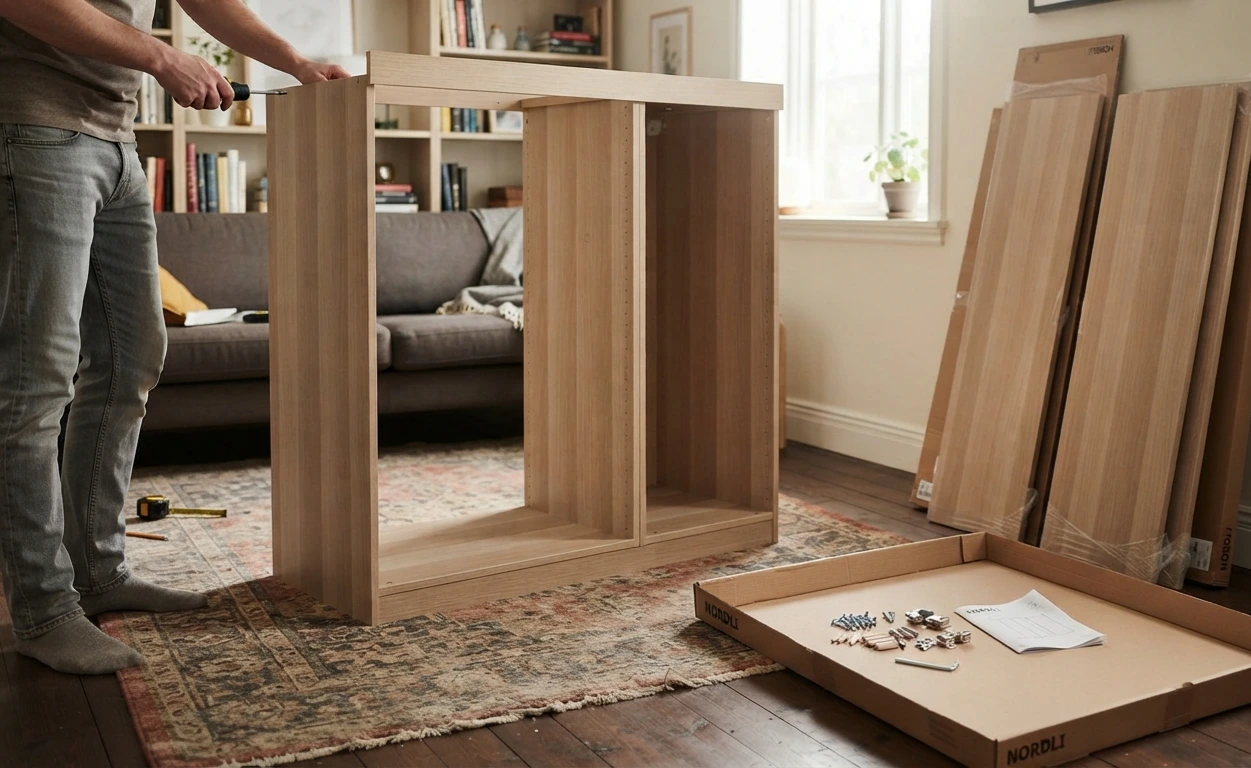
Setting up a nursery is one of the most exciting parts of preparing for a new baby. Boxes arrive with the crib, the dresser, and the changing table, and most parents want everything built and ready as soon as possible. With a due date approaching and a long list of other tasks, the urge to finish quickly is strong.
Crib and nursery furniture assembly is different from putting together a bookshelf or a desk because these pieces hold and surround a baby every day. Safety matters more than speed because small assembly mistakes can create serious hazards. Loose crib hardware can let parts shift, a mattress support set at the wrong height can increase the risk of falls, and an unanchored dresser can tip over when a child pulls or climbs on it.
Changing tables need secure barriers and a stable base, and every piece needs to be checked again as the baby grows. Taking the time to follow the instructions, secure every fastener according to the manufacturer’s guidance, and anchor tall pieces helps make the nursery safer to use.
Why Crib and Nursery Furniture Assembly Needs Extra Care
Rushed assembly rarely looks wrong at first glance. Many mistakes stay hidden until the furniture is under daily use. This table shows common shortcuts and what they can lead to:
| Rushed Shortcut | What Can Happen |
|---|---|
| Skipping or hand-tightening bolts | Crib sides or rails can loosen and shift over time |
| Leaving out required hardware | Joints can weaken, creating gaps or unstable parts |
| Installing a slat or rail backward | Pieces may not lock into place as designed |
| Setting the mattress support at the wrong height | Mobile babies may be able to climb or fall over the rail |
| Using a mattress that doesn’t fit snugly | Gaps between the mattress and frame create safety risks |
| Skipping the wall anchor on a dresser | Dressers can tip forward when a child pulls or climbs on them |
| Forgetting drawer stops or changing table barriers | Drawers can pull out fully, and changing tables may lose essential safeguards |
For parents preparing a nursery, professional home furniture assembly can help ensure furniture is assembled according to the manufacturer’s instructions.
Why Speed Feels Tempting and Why It Backfires
Most parents rush nursery assembly for understandable reasons. The baby’s arrival sets a deadline, the instructions look simple, and a crib seems like a one-evening project. This comparison shows how the two approaches play out:
| Factor | Fast Assembly | Careful Assembly |
|---|---|---|
| Instructions | Skimmed or skipped | Read fully before starting |
| Parts check | Done as pieces are needed | Every required part counted against the list first |
| Bolts and fasteners | Hand-tight or partly tightened | Secured according to the manufacturer’s instructions |
| Orientation of parts | Checked only if something looks off | Checked at every step |
| Wall anchoring | Left for later or forgotten | Installed as part of assembly |
| Final testing | Quick glance | Frame and connections checked for stability |
| Result | Hidden weak points that may show up later | Furniture checked for proper assembly before use |
Saving an hour during assembly doesn’t help if a loose rail or an unanchored dresser creates a risk the family lives with every day.
Crib Assembly: The Details That Matter Most
Your baby spends significant time sleeping in the crib, making correct assembly especially important. These details deserve attention before the crib is used.
Start With a Crib That Meets Current Standards
Safe assembly begins with a safe crib. Since June 28, 2011, federal crib standards have required stronger safety protections, including more secure hardware, stronger slats, and more durable mattress supports. Traditional drop-side cribs are also prohibited from being manufactured or sold.
These points matter during assembly:
-
Use Only Approved Hardware: Replacement screws or bolts from a hardware store may not match the crib’s required hardware. Use manufacturer-approved parts.
-
Never Modify the Crib: Adding, drilling, or altering parts can interfere with the safety features the crib was tested with.
-
Avoid Noncompliant Older Cribs: Hand-me-down cribs made before the 2011 standards may lack updated safety features. Confirm that any older crib meets current requirements before use.
For further guidance, review the CPSC’s crib safety tips.
Tighten Every Bolt and Check Every Part
Hardware problems can compromise crib stability. Following the manufacturer’s assembly instructions and inspecting the finished crib can help identify problems before use.
-
Lay Out and Count Parts First: Match every required piece against the parts list before starting.
-
Use the Right Tool: Secure each fastener as instructed without stripping threads or damaging the material.
-
Check Orientation: Slats, rails, and mattress support hooks must face the direction shown in the instructions.
-
Test the Frame: Check each side once assembled to confirm nothing wobbles or shifts.
At Furniture Assembly NYC, our assemblers follow each manufacturer’s instructions in order and check connections before calling a crib finished.
Set the Mattress Support at the Right Height
Many cribs have high, middle, and low mattress settings, and the right one depends on the baby’s development and the manufacturer’s instructions.
Newborns may use the highest setting when the crib instructions permit it. As babies become more mobile, the mattress needs to be lowered. The American Academy of Pediatrics advises lowering the mattress before the baby can sit and setting it to the lowest position before the baby learns to stand. Follow the instructions for your specific crib.
Confirm the Mattress Fit and Slat Spacing
Once the crib is built, two important checks help determine whether it meets basic safety requirements.
Crib slats should be no more than 2⅜ inches apart, and the mattress should fit snugly. The American Academy of Pediatrics advises against using a crib and mattress combination if more than two fingers can fit between the mattress and the crib’s sides or ends.
Any missing, loose, or cracked slat means the crib should not be used until the problem is properly resolved.
Dressers and Changing Tables: Stability Is Part of Assembly
Dressers and changing tables often get less attention than the crib, but they carry safety risks of their own. Both need to stay stable and be assembled according to the manufacturer’s instructions.
Anchor Every Dresser
Furniture tip-overs are a documented household safety hazard. CPSC reported an estimated annual average of 5,300 emergency-department-treated injuries involving clothing storage unit tip-overs during its 2006–2021 study period.
Since September 2023, a federal safety standard implementing the STURDY Act has required covered clothing storage units, such as dressers and armoires, to meet stability requirements. The CPSC continues to recommend securing furniture to walls.
These steps belong in every dresser setup:
-
Install the Included Anchor Kit: Treat the wall anchor as an essential part of assembly.
-
Attach Anchors to Solid Structure: Use the manufacturer’s recommended anchoring method and hardware appropriate for the wall type.
-
Fit Drawer Stops: Install any included stops that prevent drawers from pulling out unintentionally.
-
Keep Heavy Items Low: Store heavier items in bottom drawers to improve stability.
Secure the Changing Table
Changing tables raise a baby above the floor several times a day, which makes stability and barriers essential. CPSC’s safety standard for baby changing products addresses stability and fall-prevention features.
Those protections only work when the table is assembled correctly:
-
Attach All Barriers and Rails: Install every required barrier according to the manufacturer’s instructions.
-
Secure Any Changing Topper: Toppers placed on a dresser should be fastened as instructed, never simply set on top.
-
Install the Safety Strap: Attach any restraint strap included with the table, and always keep a hand on the baby during changes.
-
Check for Wobble: Make sure the changing surface stays level and steady.
For flat-pack nursery furniture, including compatible dressers and storage units, Furniture Assembly NYC also provides IKEA furniture assembly services.
Plan Ahead So You Never Have to Rush
The best way to avoid rushed assembly is to remove the time pressure. These steps help parents put safety first from the start:
-
Assemble Weeks Before the Due Date: Early setup leaves time to fix problems, order missing parts, and recheck everything.
-
Build the Crib in the Nursery: Many assembled cribs don’t fit through standard doorways, making assembly in the intended room more convenient.
-
Read the Full Manual First: Knowing every step before starting prevents backtracking and improvised fixes.
-
Keep the Instructions and Approved Spare Hardware: You’ll need the instructions when lowering the mattress or converting the crib later.
-
Register Every Product: Register eligible nursery products so the manufacturer can contact you about recalls.
-
Place the Crib Carefully: Keep it away from windows, blind cords, draperies, heating sources, and other nearby hazards.
-
Clear Packaging and Small Parts: Remove plastic wrap, foam, and loose hardware from the nursery once assembly is done.
If you’re coordinating several furniture deliveries, arranging the assembly service in advance can make the setup process more manageable.
Crib and Nursery Furniture Assembly Final Checklist
Running through a final check before the baby uses the nursery catches mistakes that rushing can leave behind.
Final nursery safety checklist
0 of 8 checked
Important: Furniture Assembly NYC’s 90-day assembly warranty covers workmanship related to assembly and installation. It does not cover defects in the furniture or products themselves.
Rechecking Nursery Furniture as Your Baby Grows
Safe assembly isn’t a one-time job, since cribs are adjusted and converted as babies grow. Each change is another opportunity to check the hardware and mattress support.
| Stage | What to Adjust | Assembly Check |
|---|---|---|
| Newborn | Use the permitted mattress setting according to the manual | Confirm hardware is secure before first use |
| Before sitting independently | Lower the mattress as recommended | Recheck fasteners and mattress support |
| Before pulling up to stand | Set the mattress to its lowest position | Recheck the frame and support connections |
| Toddler transition | Convert to a toddler bed only when appropriate and permitted by the manufacturer | Install approved conversion parts and hardware |
Follow the specific crib’s instructions and applicable height and developmental limits rather than relying on age alone.
Final Thoughts
Crib and nursery furniture assembly deserves patience because these pieces are used by babies every day. Rushing can lead to loose crib hardware, an incorrectly positioned mattress, a poorly fitting mattress, an unanchored dresser, or a changing table without secure barriers. Planning ahead, following the instructions in order, securing every required fastener, anchoring tall furniture, and rechecking the crib as your baby grows help keep the nursery safer.
At Furniture Assembly NYC, we assemble many kinds and brands of furniture, including cribs, dressers, changing tables, and wardrobes from IKEA, Wayfair, AllModern, and more. Our insured team takes the time to put each piece together correctly, and our 90-day assembly warranty covers our workmanship. We’re based in Brooklyn and serve homes across New York City, with free quotes for every job.
Call (929) 333-2335 or get a free quote to discuss professional crib and nursery furniture assembly.
Frequently Asked Questions
How long does it take to assemble a crib safely?
Many cribs take about an hour or two when assembled carefully, depending on the design. Convertible cribs and cribs with storage drawers can take longer. Taking extra time to check each connection matters more than finishing quickly.
When should I assemble nursery furniture before my due date?
Assembling everything several weeks before the due date gives you time to fix problems, order missing parts, and recheck each piece without pressure. Early setup also provides time to air out new furniture according to the manufacturer’s guidance.
Can I use screws from a hardware store if some crib parts are missing?
It’s best not to. Crib hardware may have specific safety features, and substitute screws may not work as intended. Contact the manufacturer for approved replacement parts before using the crib.
How do I know if my crib is assembled correctly?
Check the frame for wobbling, confirm every slat is intact and no more than 2⅜ inches apart, and make sure the mattress fits snugly. Verify that all required hardware is installed and follow the manufacturer’s final inspection instructions.
Do I really need to anchor a nursery dresser?
Yes. Anchoring is strongly recommended even for dressers designed to meet current stability standards. Installing an appropriate anchor is an important part of reducing furniture tip-over risks.
Why should I register my crib and baby furniture?
Registration lets the manufacturer reach you directly if a product is recalled. It also helps parents stay informed about potential safety concerns affecting products they own.
Is it safe to use a hand-me-down crib?
Older cribs may not meet current federal safety standards, and traditional drop-side cribs are prohibited from being sold. Before using a hand-me-down crib, confirm that it complies with current standards, is not recalled, and has all required manufacturer-approved parts. Avoid using it if compliance cannot be confirmed.